

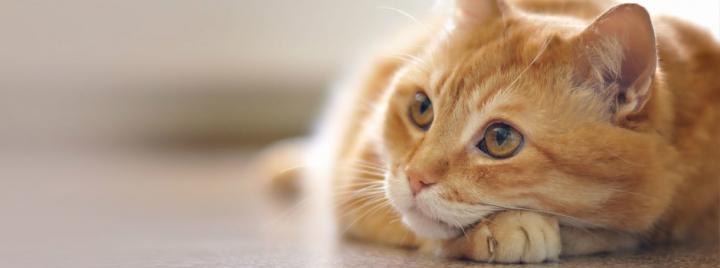
Many cats suffer from joint problems. The most common problem is osteoarthritis. This is especially seen in older cats: no less than 90% of cats over 12 years old have osteoarthritis. Do you know how to recognise it?
What is osteoarthritis?
Around the bone of a joint is cartilage. The cartilage forms a protective layer around the bone. In osteoarthritis, the cartilage is damaged. This affects the bone. The joint becomes thicker, less mobile and the surrounding muscles weaken. This is painful for the cat.
How do joint problems develop?
Joint problems can have various causes, for example:
- Obesity and/or excessive activity;
- Old age, wear and tear;
- Injury due to, for example, an accident.
How do you recognise joint problems?
If your cat has joint problems, you may notice these signs:
- The cat jumps less (easily);
- It moves less and sleeps more;
- It avoids higher places, for example no longer climbing to the top of the scratching post;
- It grooms itself less well (because it has more difficulty reaching certain areas);
- It becomes incontinent or has trouble using the litter box.
How are joint problems treated?
Do you recognise one or more of these signs? Have your cat checked by your vet. Depending on the situation, they may prescribe painkillers, give advice on exercise and recommend a special food.
Some cat foods contain a special combination of nutrients that support joint health. This helps the cat move more supple and improves the quality of life of your cat.
Is your cat overweight? That extra weight puts extra strain on your cat's joints. Your vet can then help your cat lose weight healthily.
From around 7 years of age, your cat is a senior. Its nutritional needs change and health problems can arise. With a specially adapted food, you help your cat age as healthily as possible.